Dental Crowns for Children: When Are They Necessary?
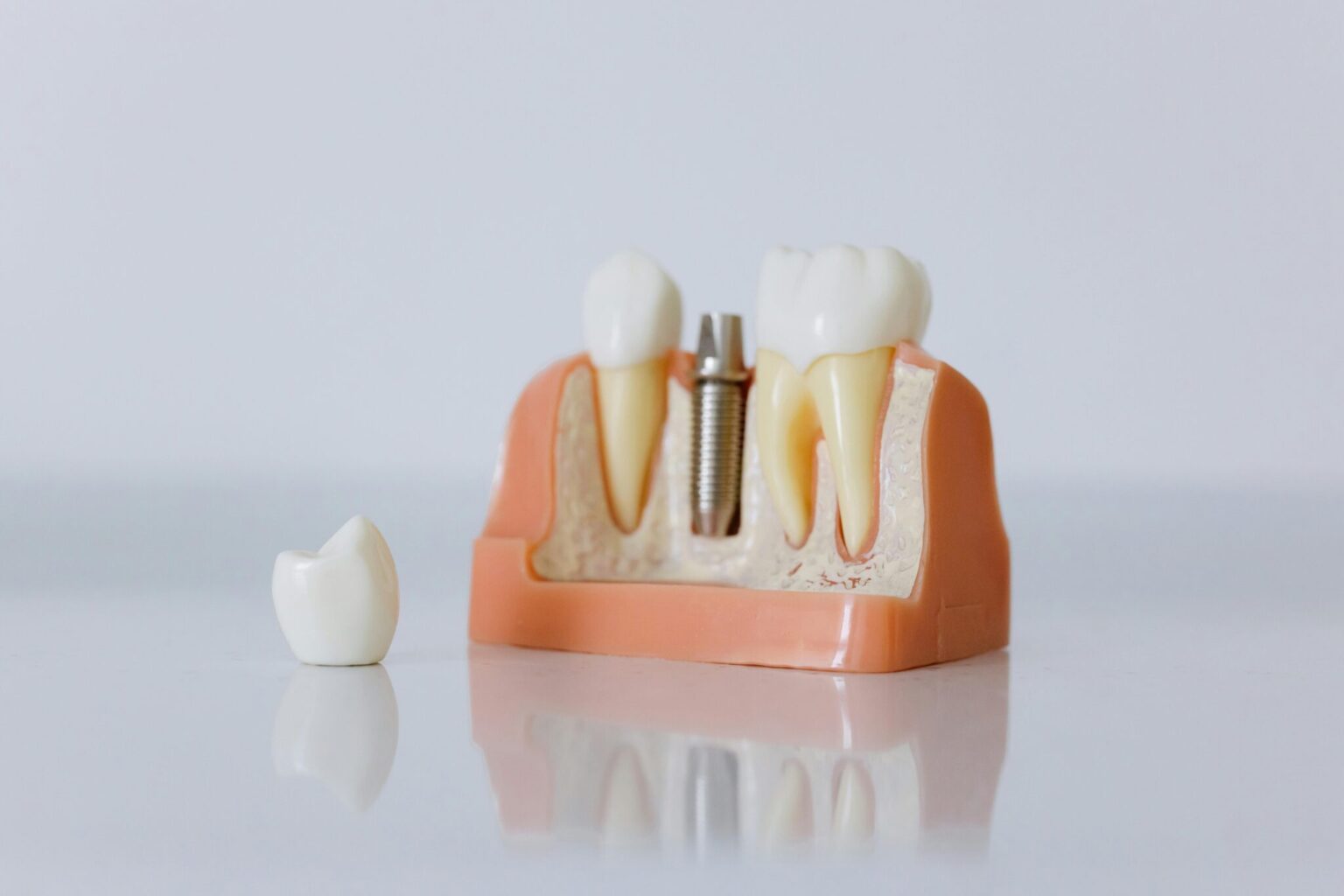
Hearing that a child may need a crown often catches parents off guard. Many assume crowns are reserved for adults with cracked molars or years of wear. In pediatric dentistry, though, crowns serve a different purpose. They are often a practical, durable way to save baby teeth that are too damaged for a simple filling, especially when those teeth still need to last several years.
That point matters more than it may seem. Baby teeth are temporary, but they are not disposable. They hold space for permanent teeth, help children chew comfortably, support speech development, and guide normal jaw growth. When a primary tooth breaks down early, the effects can ripple beyond the tooth itself. A child may avoid chewing on one side, develop sensitivity, wake at night with pain, or lose the tooth before the mouth is ready.
In many cases, a crown is not the aggressive option. It is the conservative one, because it protects what remains of the tooth and reduces the chance of repeated dental work. The real question is not whether a baby tooth is permanent. The question is whether it still has an important job to do.
Why a child might need more than a filling
Most parents are familiar with fillings. A small cavity is cleaned out, the space is restored, and the child goes on with life. That approach works well when enough healthy tooth structure remains. It stops being reliable when decay is wide, deep, or wrapped around multiple surfaces of the tooth.
Pediatric teeth are smaller than adult teeth. Their enamel is thinner, and cavities can spread faster. A spot that looked manageable a few months ago may become a much larger problem by the time the child is back in the chair. I have seen children come in with what a parent describes as “just a little dark spot,” only to find that the chewing surface has weakened so much that a conventional filling would be prone to fracture.
That is where Dental Crowns come in. Instead of patching one portion of the tooth, a crown covers and protects the whole visible part. It acts like a helmet for a tooth that has already lost too much structure to stand up well on its own.
Crowns are also common after pulp treatment, sometimes called a baby root canal or pulpotomy. When the nerve tissue inside a primary tooth has been affected by decay but the tooth can still be preserved, treatment may remove the inflamed portion and seal the tooth. After that, the remaining tooth is usually weaker. A crown gives it the strength needed to function until it is naturally ready to fall out.
The situations where crowns make the most sense
There is no single rule that applies to every child. Age, cavity size, oral hygiene, diet, grinding habits, and the expected time before the tooth exfoliates all shape the recommendation. Still, some scenarios strongly favor a crown over a filling.
A crown is often recommended when a cavity involves multiple sides of a molar. It is also common when a tooth has broken, when an old filling keeps failing, or when a child has a high cavity risk and needs something more durable. Children with enamel defects, such as hypoplasia, may need crowns even when decay is not the main issue. Their teeth can be structurally weak from the start.
Some of the most common reasons include:
- extensive decay that leaves too little healthy tooth for a dependable filling
- a tooth that has had pulpotomy or other pulp therapy
- fractured or severely worn primary teeth
- developmental enamel defects that make the tooth fragile
- children with high cavity activity, where longer-lasting coverage may prevent repeat treatment
The timing matters too. A crown on a baby molar that is expected to stay in the mouth for three or four more years is a very different decision from a crown on a front baby tooth that may be close to falling out. Dentists weigh how much useful life remains in that tooth before recommending full coverage.
Not all crowns for children are the same
When parents hear the word crown, they often picture one specific kind. In children, there are several options, and the best choice depends on the location of the tooth, the child’s age and cooperation, appearance concerns, and the amount of remaining tooth structure.
For back baby teeth, stainless steel crowns have long been the workhorse of pediatric dentistry. They are durable, relatively quick to place, and forgiving in the real-world conditions of treating young children. If a child is wiggly, anxious, or being treated under sedation or general anesthesia, stainless steel crowns are often the most predictable option. They do not win beauty contests, but on the back teeth that usually matters less than strength and longevity.
Tooth-colored crowns, including zirconia crowns, are increasingly popular, especially for front teeth and for families who feel strongly about esthetics. They can look excellent, but they typically require more tooth shaping and a very dry working field during placement. In a calm, cooperative child with the right clinical situation, they can be a great fit. In a restless three-year-old with deep decay and limited tolerance, the most attractive crown on paper may not be the most practical one in the chair.
There are also strip crowns, often used on front baby teeth. These use a clear form filled with tooth-colored material. When they work well, they look very natural. They are technique-sensitive, though, and not ideal in every case, especially if moisture control is difficult or the child has habits that may place heavy stress on the restoration.
This is one of the quieter truths in pediatric dentistry: the best restoration is not always the prettiest one or the newest one. It is the one that is most likely to succeed for that specific child.
Baby teeth still deserve strong treatment
A common question comes up almost immediately: if the tooth is going to fall out anyway, why invest in a crown?
The short answer is that early tooth loss can create its own problems. Primary molars often need to remain in place until around ages ten to twelve, depending on the tooth. Losing one at six or seven is not a small timing issue. Neighboring teeth can drift into the space, reducing room for the permanent tooth underneath. That can increase the chance of crowding or the later need for orthodontic treatment. A missing tooth can also affect chewing and, for some children, confidence.
There is also the question of comfort. A badly decayed baby tooth may not simply “wait quietly” until it comes out. It can ache intermittently, become infected, trap food, or wake a child from sleep. Children do not always describe dental pain clearly. They may say food feels funny, avoid cold drinks, chew only on soft foods, or become irritable around meals. By the time obvious swelling appears, the situation has usually progressed.
When a crown allows a child to keep a comfortable, functional tooth in place until the proper time, it is not cosmetic excess. It is sound preventive care.
What the appointment is usually like
The process depends on the type of crown and the condition of the tooth, but for many pediatric crowns, treatment is more straightforward than parents expect.
After numbing the tooth, the dentist removes decay and shapes the tooth so the crown can fit securely. If pulp treatment is needed, that is done first. For a stainless steel crown, the dentist selects a prefabricated crown that matches the size of the tooth, adjusts it, and cements it in place. The crown is not custom-made in a lab. It is adapted during the visit, which is one reason it is so useful in young patients.
Tooth-colored pediatric crowns vary. Zirconia crowns are also prefabricated, but they cannot be crimped and adjusted in the same way stainless steel crowns can. Because of that, the tooth often needs more precise preparation. Once fitted, the crown is bonded or cemented according to the material and manufacturer’s protocol.
Parents sometimes worry when they hear there may be pressure during crown seating. That pressure is normal. The goal is a snug fit. A child may feel pushing but should not feel sharp pain if the area is numb. Afterward, it is common for the gums to look slightly sore around the crown for a day or two, especially if the fit extends gently under the gumline, as it often does with stainless steel crowns.
The bite may feel “different” to the child at first. Young children adapt quickly, often within a day or two. If a crown truly feels too high and chewing remains uncomfortable, the office should reassess it. Most of the time, however, the sensation fades faster than parents expect.
When a dentist may choose extraction instead
Crowns are useful, but they are not automatic. Sometimes the better choice is to remove the tooth.
If the decay extends too far below the gumline, if there is severe infection or bone loss, if not enough healthy tooth remains to hold a crown, or if the tooth is already close to natural exfoliation, extraction may make more sense. The same is true when a child has repeated pain or swelling and the long-term prognosis is poor.
This is where judgment matters. A heroic attempt to save every baby tooth is not always wise. On the other hand, extracting a restorable tooth too early can create avoidable orthodontic and functional issues. Good pediatric treatment lives in that middle ground, where the decision is based on the tooth’s actual prognosis and the child’s broader needs.
If a baby molar is removed early, the dentist may discuss a space maintainer. That appliance helps preserve room for the permanent tooth that will erupt later. Not every extraction requires one, but many do, particularly when back baby teeth are lost well ahead of schedule.
Concerns parents often raise
Parents tend to ask thoughtful, practical questions, and rightly so. They want to know whether the treatment is safe, whether the crown will hurt, whether the child will be teased, and whether a different option might be better.
Here are the concerns that come up most often in practice:
- Will it last until the tooth falls out naturally?
- Is a silver crown the only option?
- Could we try a filling first?
- Will my child need sedation or general anesthesia?
- What happens if we wait?
Each of those questions deserves a tailored answer. Longevity depends on the child’s age, habits, oral hygiene, and the type of crown. Stainless steel crowns often perform extremely well on primary molars and routinely outlast large fillings in heavily damaged baby teeth. Tooth-colored options can also do well, especially when placed under the right conditions, but they are not interchangeable with every case.
The question about trying a filling first is especially important. There are situations where a filling is reasonable even if the cavity is not tiny. But if the tooth is already significantly weakened, a filling can become a short-term fix that leads to another procedure later. No parent enjoys hearing that a restoration has failed six months after placement, particularly when the child struggled through the first appointment. Sometimes the crown recommendation is based as much on reducing future treatment as on addressing the current cavity.
Waiting has costs too. Small children do not always complain early, and decay rarely moves in a favorable direction. What could have been managed with one straightforward visit can become an urgent infection, a more extensive procedure, or treatment under anesthesia if the child can no longer tolerate care while in pain.
Esthetics versus durability, a real trade-off
The appeal of tooth-colored crowns is obvious. Many parents hesitate when they learn a back baby tooth may receive a metal crown, and some are particularly uneasy if the crown will show when the child laughs wide.
That reaction is understandable. Appearance matters. It matters to parents, and as children get older, it can matter to them too. But pediatric dentistry is full of trade-offs that are less visible than color alone. Stainless steel crowns are durable, efficient to place, and have a long track record. Zirconia crowns offer superior esthetics, but they are less forgiving if tooth reduction is not ideal or if the case is not well suited to the material. They may also cost more, and availability varies by practice.
Front teeth bring a different calculus. If a preschool child has severe decay on upper front teeth, especially the classic pattern linked with prolonged bottle or sippy cup exposure, parents often feel strongly about avoiding a metal appearance. In those cases, strip crowns or zirconia crowns may be considered if the tooth structure and behavior factors line up. Yet even then, results depend heavily on moisture control, bite forces, and home care.
This is why blanket advice can mislead. “Always choose tooth-colored” is too simplistic, and so is “baby teeth don’t matter.” A thoughtful recommendation weighs appearance, performance, cost, treatment complexity, and the child’s ability to get through the procedure successfully.
Children with higher risk often benefit most
Some children are especially likely to need crowns rather than fillings. That group includes children with early childhood caries, a history of multiple cavities, enamel defects, special health care needs, or diets and routines that make cavity control difficult. It can also include children who have already had several fillings fail in primary molars.
For these patients, choosing a more durable restoration early can be a sensible strategy, not an escalation. I have seen children caught in a cycle where one large filling after another chips, leaks, or develops recurrent decay. Each repair removes a bit more tooth. Eventually, the choice becomes crown or extraction. Had the first heavily damaged tooth received a crown, the child might have avoided repeat visits and repeated local anesthesia.
That is not a criticism Omni Dental Specialty Dental Crowns of fillings. It is simply recognition that materials perform differently depending on the size of the restoration and the oral environment. A cooperative older child with a modest cavity may do beautifully with a filling. A four-year-old with multiple broad lesions and a habit of chewing hard snacks all day may need something far stronger.
What parents can do after placement
Once a crown is placed, care is usually simple. The child should avoid sticky foods for the first day if the dentist advises it, and numbness should be monitored so the child does not bite the lip or cheek. Mild gum tenderness can happen. Good brushing remains essential, especially along the gumline where plaque tends to collect.
Crowns do not make a child cavity-proof. The covered tooth is protected, but decay can still affect the edges near the crown or other teeth in the mouth. That matters because children who need one crown often have cavity risk factors that affect the whole dentition.
Regular follow-up is important. Dentists monitor the crown fit, the surrounding gums, bite, and the timing of the tooth’s natural exfoliation. A well-fitting pediatric crown usually sits quietly in the mouth for years and then comes out with the baby tooth when the permanent successor is ready. That is the ideal outcome, and it is a very common one.
The bigger picture behind the recommendation
When a pediatric dentist recommends a crown, the advice is rarely based on a single x-ray or a single hole in a tooth. It reflects a broader assessment: how much healthy tooth is left, how long the tooth needs to last, whether the child has pain, whether previous restorations have held up, and what treatment the child can realistically tolerate.
That broader view is easy to miss from the parent’s side of the chair. It can look like a dramatic solution for a small person with a tiny tooth. But children’s teeth are not just smaller adult teeth. They decay differently, fracture differently, and operate on a different timeline. The treatment that seems more substantial is sometimes the one most likely to spare the child future discomfort.
A good rule of thumb is this: if the dentist is talking about a crown, it usually means the issue is less about the cavity itself and more about the remaining strength of the tooth. Once a tooth has crossed that threshold, restoring only part of it may not be enough.
For parents weighing the decision, the most useful questions are practical ones. How long should this tooth remain? What are the chances a filling will fail? Is the tooth infected or close to the nerve? What crown options fit my child’s needs? If we do nothing for a few months, what is the likely outcome?
Those questions lead to better decisions than focusing on the word crown alone. In pediatric dentistry, crowns are not rare, extreme, or necessarily a sign of disaster. Often, they are simply the most reliable way to preserve a child’s comfort, chewing function, and healthy development until nature is ready to take over.
Omni Dental Specialty
1690 E Gonzales Rd, Oxnard, CA 93036, United States
+1 805-410-9603
FAQ About Dental Crowns
How long do crowns last on teeth?
A dental crown often lasts about five to fifteen years, although some last longer. Material, the underlying tooth, oral hygiene and grinding habits affect longevity. Regular dental examinations help identify wear, decay or a loose crown; no lifespan is guaranteed.
How much does a tooth crown cost?
There is no single price for every crown. Material, laboratory work, the condition of the tooth and any additional treatment affect the fee. Ask for a written estimate and confirm your insurance benefits, exclusions and out-of-pocket costs before treatment.
What is the downside of crowns on teeth?
A conventional crown usually requires irreversible removal of some tooth structure. Possible problems include sensitivity, chipping, loosening and decay at the crown margin; some teeth later need root canal treatment. Discuss your tooth's condition, material choices and suitable alternatives with your dentist.