The Lifespan of Dental Crowns and How to Extend It

Dental crowns are one of the most dependable restorations in modern dentistry, Dental Crowns but they are not permanent in the way many patients hope they are. A well-made crown can last a long time, sometimes well over a decade, yet every crown eventually faces the same reality: it is functioning in a demanding environment. Heat, pressure, moisture, bacteria, grinding, diet, and daily habits all test it thousands of times each week.
That is why the real question is not simply how long dental crowns last. It is what makes one crown reach ten years comfortably while another fails much sooner. In practice, the answer is rarely a single event. More often, it is a combination of material choice, bite forces, oral hygiene, the quality of the underlying tooth, and whether the patient treats the crown as a precision restoration rather than an indestructible cap.
For patients, understanding that difference matters. Crowns are an investment of time, money, and trust. For clinicians, managing expectations is just as important as placing the restoration itself. The crown may look perfect on delivery day, but its future depends on what happens afterward.
What a crown is really protecting
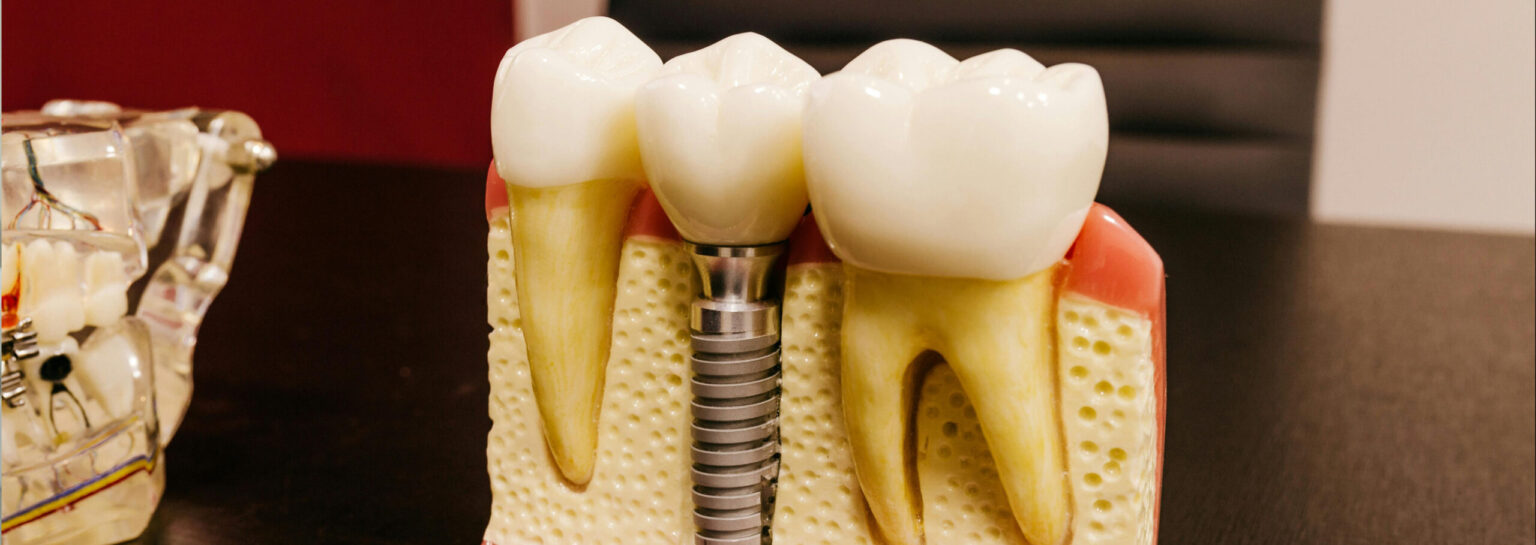
A crown covers and reinforces a tooth that has been weakened, heavily filled, root canal treated, fractured, worn down, or structurally compromised. In some cases, it restores shape and function after years of grinding. In others, it protects a tooth that would otherwise split under normal chewing pressure.
That distinction matters because the crown is only part of the picture. The tooth underneath still has roots, surrounding gum tissue, and a margin where the crown meets natural tooth structure. If the supporting tooth is fragile, decayed, or poorly maintained, the crown’s lifespan shortens even if the crown material itself remains intact.
Patients are often surprised by this. They may assume a porcelain or zirconia crown “cannot decay,” which is technically true, but the tooth around it certainly can. When a crown fails, it is often not because the crown wore out like a car tire. It may be because decay developed at the edge, the cement seal was compromised, the root fractured, or chronic clenching overloaded the tooth.
A realistic lifespan for dental crowns
Most dental crowns last somewhere in the range of 5 to 15 years, and many exceed that when conditions are favorable. It is not unusual to see crowns still functioning after 20 years, especially when the bite is stable and oral hygiene is excellent. It is equally common to see a crown need replacement far earlier when the tooth was already compromised or the patient grinds heavily at night.
That broad range is not vague guesswork. It reflects the fact that crowns live under very different conditions. A front tooth crown on a patient with careful hygiene and no grinding may age gently. A molar crown on a patient who clenches, chews ice, and misses hygiene visits is under constant stress.
The setting also matters. A crown placed on a tooth with abundant healthy structure usually has a better long-term outlook than one placed on a tooth with very little remaining dentin, deep old fillings, or a post and core after root canal treatment. Both restorations can succeed, but they do not start from the same place.
Material affects performance, but not in a simple way
Patients often want a ranking of materials, as if one crown type universally outlasts all others. In reality, each material has strengths, limitations, and ideal uses.
Porcelain-fused-to-metal crowns have a long track record. They can perform well for many years, especially in posterior areas where strength matters, though porcelain chipping is a known complication and metal margins may become visible if gums recede.
All-ceramic crowns can look highly natural, especially on front teeth. Their longevity depends on the specific ceramic, preparation design, bite forces, and where they are placed. They can be excellent restorations in the right case, but esthetics should not be chosen at the expense of structural requirements.
Zirconia crowns are popular because they combine strength with improving esthetics. They are often used in high-load areas, particularly for patients who grind. That said, zirconia is not a free pass. If the bite is not adjusted well or the crown margin is difficult to keep clean, problems can still develop.
Gold crowns, though requested less often now, remain one of the most forgiving and durable options in posterior dentistry. They tend to wear kindly against opposing teeth and can serve for decades. The reason they are less common is usually cosmetic preference, not poor clinical performance.
A crown’s longevity is shaped by material, but the fit of the crown, the quality of the cementation, and the condition of the tooth often matter more than patients expect.
Why some crowns fail early
When crowns fail, the reason is usually understandable in hindsight. It may not have been obvious at the time, but there is almost always a mechanical or biological explanation.
The most common causes include:
- Decay at the crown margin
- Fracture of the underlying tooth
- Loosening or loss of cement seal
- Excessive grinding or clenching forces
- Poor fit, bite imbalance, or inaccessible margins
Decay around the edges is especially common because the crown-to-tooth junction is a vulnerable zone. If plaque sits there consistently, bacteria can colonize the margin and slowly undermine the tooth structure beneath. A patient may not feel anything early on, which is why regular exams matter.
Fracture is another major issue. A crown can only reinforce what remains. If the underlying tooth has thin walls or a hidden crack, the restoration may function for a while and then fail suddenly. Patients often describe biting on something ordinary, bread crust, a nut, even a soft sandwich, and feeling a sharp crack. In many cases, the fracture had been developing long before that moment.
Cement failure is less dramatic but still important. If a crown becomes loose, bacteria and moisture can reach the interface and damage the tooth quickly. Some loose crowns can be recemented if the tooth remains healthy and the fit is acceptable. Others reveal decay or structural loss that requires a full replacement.
Then there is occlusion, the way the teeth meet. A crown placed slightly too high, or on a patient with an unstable bite pattern, can absorb repeated overload. That may lead to pain, chipping, sensitivity in nearby teeth, or eventual fracture. A few microns matter more than most people realize.
The habits that quietly shorten a crown’s life
Crowns rarely fail because of one dramatic mistake. More often, small daily habits create a problem over time.
Night grinding is high on the list. Many patients do not know they clench until they start breaking restorations or wake with jaw tension. A crown on a grinding patient may still do very well, but only if that force is managed. Without protection, even strong materials can chip, wear, or transmit stress into the tooth root.
Hard-object chewing is another common issue. Ice, pens, fingernails, nutshells, bottle caps, and hard candy place sudden, concentrated force on a restoration. Teeth are built for chewing food, not tools and impact.
Dry mouth is often underestimated. Saliva protects teeth, buffers acids, and helps reduce bacterial accumulation. Patients taking certain medications, undergoing cancer treatment, or living with chronic dry mouth conditions have a higher risk of recurrent decay around crowns.
Irregular cleaning habits also matter. The crown itself cannot get a cavity, but plaque collecting at the margin can compromise everything the crown depends on. Patients sometimes brush the visible surfaces well yet neglect the gumline, which is where trouble often starts.
How to extend the lifespan of dental crowns
A crown lasts longest when the surrounding system stays healthy. That means the gums, the underlying tooth, the bite, and the patient’s habits all have to support the restoration.
The practical steps are straightforward:
- Brush thoroughly at the gumline twice a day with a fluoride toothpaste.
- Clean between the teeth daily, using floss or another interdental aid that actually fits.
- Wear a night guard if you grind or clench.
- Avoid chewing ice, hard candy, and non-food objects.
- Keep routine dental visits, even when the crown feels fine.
Those steps sound simple because they are, but their impact is substantial. The patients whose crowns last the longest are rarely doing anything exotic. They are consistent. They treat the restoration as something worth preserving.
Interdental cleaning deserves special mention. Many failures begin in the contact areas and margins patients cannot see. A crown on a molar may look intact from the outside while recurrent decay develops where floss should have been gliding each day. Technique matters too. Snapping floss down aggressively can irritate the gums, while gently hugging the tooth and sliding below the contact is more effective.
Night guards are often a turning point for heavy grinders. In practice, a patient may go from repeated ceramic chipping to years of stability once clenching forces are controlled. The guard does not eliminate grinding, but it helps distribute and cushion that load. Patients sometimes resist it until they compare the cost and inconvenience of replacing crowns repeatedly.
The role of regular maintenance
One of the most useful things a dental team can do is catch minor issues before they become major ones. A crown that feels normal to the patient may still show warning signs on examination, slight margin staining, a catching explorer at the edge, gum inflammation around the site, a wear facet that signals grinding, or a radiographic shadow suggesting early recurrent decay.
This is where routine recall visits earn their value. A small problem around a crown can sometimes be managed conservatively if found early. Left alone, it may progress to a situation where the crown must be removed, the tooth rebuilt, or in severe cases extracted.
Professional cleanings help as well, especially for patients with crowded teeth, bridgework, recession, or reduced dexterity. Home care does most of the work, but professional maintenance reaches areas patients often miss and provides a chance to reassess the restoration in context.
There is also a practical advantage to documenting changes over time. A photo or radiograph taken this year compared with one from two years ago can reveal subtle movement that would otherwise be easy to dismiss. Crowns do not usually fail overnight without warning. The clues are often there for anyone watching carefully.
When a crown needs attention, and when it needs replacement
Not every symptom means a crown must be replaced. Sensitivity, for example, can come from the bite being high, gum recession exposing root surfaces nearby, or inflammation from trapped food rather than from the crown itself. A crown that feels slightly rough may only need polishing. A loose crown may be salvageable if the underlying tooth is intact.
On the other hand, some signs deserve prompt evaluation. Persistent tenderness when biting can suggest a crack or bite overload. Food packing around the crown may indicate an open contact or shifting tooth position. Bleeding gums localized to one crowned tooth often point to a margin or hygiene issue. A bad taste, recurring swelling, or movement in the crown should never be ignored.
Replacement is usually needed when the crown no longer seals properly, the esthetics or function are significantly compromised, or the underlying tooth has changed enough that the original restoration no longer fits the case. Sometimes the crown itself is still serviceable, but the tooth beneath it is not.
This can be frustrating for patients, especially when the crown “looks fine.” Dentistry often works below the visible surface. A polished exterior does not guarantee a healthy foundation.
Front teeth versus back teeth
Not all crowns age the same way because not all teeth do the same job. Front teeth generally handle less crushing force, but esthetics are far more demanding. Tiny changes in gum level, color, or edge translucency become noticeable. A front crown might be structurally sound yet replaced because the surrounding teeth have changed shade or Dental Crowns the margin has become visible.
Back teeth face a different challenge. Molars absorb heavy chewing loads and are more likely to be affected by clenching. Access for cleaning is harder, and the force vectors are harsher. A posterior crown may look less critical cosmetically, but it often lives a tougher mechanical life.
This is why treatment planning is never just about picking a crown material from a menu. The tooth position, the patient’s bite, smile line, habits, and hygiene patterns all shape the decision.
Crowns on root canal treated teeth
A tooth that has had root canal treatment often benefits from a crown because it can become more brittle over time, especially if much tooth structure was lost before treatment. These cases can do very well for many years, but they require honest discussion.
The crown protects the tooth coronally, meaning above the gumline, but it does not make the root immune to fracture. If too little natural tooth remains, the long-term prognosis may be guarded even with excellent restorative work. Patients sometimes hear “the root canal is done” and assume the tooth is fully restored to original strength. It is better to think of it as saved, functional, and worth protecting, but still more vulnerable than an untouched tooth.
This is one reason timing matters. Delaying the final crown for too long after root canal treatment can expose the tooth to fracture risk during the waiting period. Temporary restorations are useful, but they are not built for long-term service.
The patient factor is often the deciding factor
Two patients can receive nearly identical dental crowns from the same clinician, made by the same lab, using the same material, and have very different outcomes ten years later. One crown remains stable and unremarkable. The other has decay, wear, gum inflammation, or repeated breakage.
The difference is often not luck. It is behavior.
Patients who keep recall appointments, wear their night guard, clean meticulously at the margins, and report changes early tend to get the longest life from their restorations. Those who disappear for several years, use their teeth as tools, or assume a crown no longer needs care tend to face more repairs and replacements.
That is not a moral judgment. Life gets busy, and oral health habits are shaped by budget, stress, access to care, and past experiences. Still, from a practical standpoint, the crown does best when it is treated as a maintained restoration rather than a permanent fix that can be forgotten.
What to expect over the long term
It helps to think of a crown the way you would think of a roof repair on a house or a joint replacement in medicine. It is not fragile, but it does have a service life. The goal is long, trouble-free function, not immortality.
A successful crown should feel unremarkable. You should be able to chew comfortably, floss around it without snagging, and forget about it during daily life. The dentist, however, should continue paying attention to it. Margins change, gums shift, opposing teeth wear, and bite patterns evolve with age.
For many patients, the best outcome is simple: the crown lasts so long that they stop thinking about when it was placed. That is usually the result of sound treatment planning paired with ordinary but steady maintenance.
Dental crowns can serve beautifully for many years. Their lifespan is not fixed, but it is strongly influenced by choices made before placement, at delivery, and every day afterward. Good materials matter. Skilled preparation matters. Precise fit matters. Yet the crown’s future often comes down to whether the tooth stays clean, protected, and structurally supported over time.
When patients understand that, they tend to do better. Not because they become obsessive, but because they recognize that a crown is both durable and dependent. Take care of the system around it, and the restoration often rewards that effort with years of reliable service.
Omni Dental Specialty
1690 E Gonzales Rd, Oxnard, CA 93036, United States
+1 805-410-9603
FAQ About Dental Crowns
How long do crowns last on teeth?
A dental crown often lasts about five to fifteen years, although some last longer. Material, the underlying tooth, oral hygiene and grinding habits affect longevity. Regular dental examinations help identify wear, decay or a loose crown; no lifespan is guaranteed.
How much does a tooth crown cost?
There is no single price for every crown. Material, laboratory work, the condition of the tooth and any additional treatment affect the fee. Ask for a written estimate and confirm your insurance benefits, exclusions and out-of-pocket costs before treatment.
What is the downside of crowns on teeth?
A conventional crown usually requires irreversible removal of some tooth structure. Possible problems include sensitivity, chipping, loosening and decay at the crown margin; some teeth later need root canal treatment. Discuss your tooth's condition, material choices and suitable alternatives with your dentist.